Periodontal Treatment in Branford, CT | Branford Dental Care

Periodontal Treatment in Branford, CT
Bleeding gums, persistent bad breath, or gums that feel a little off are all signs worth paying attention to. The good news is that gum disease responds well to treatment, especially when it's caught early. Dr. Fantozzi, Dr. Hernandez, and the team at Branford Dental Care handle everything right here in our Branford office, with no referrals and no starting over somewhere new.
We've been caring for families along the Connecticut shoreline for over 35 years. If your gums have been bothering you, or it's simply been a while since someone took a close look, we're here to help.
Call us at (203) 488-7444 or read on to learn what to expect when you come in.
Five Things Worth Knowing Before Your First Visit
- Gum disease won't go away on its own, but it does respond well to treatment, especially when it's caught early.
- At your evaluation, we'll measure the small spaces between your teeth and gums (called pocket depths) and share those numbers with you, so you have a clear picture of what's going on.
- The main treatment is a deep cleaning called periodontal therapy. It's typically done over two appointments.
- After treatment, most patients come in for periodontal maintenance visits every three to four months instead of every six. It sounds like more, but it's what keeps your gums stable once they've healed.
How Periodontal Treatment Works
1. A Full Periodontal Evaluation
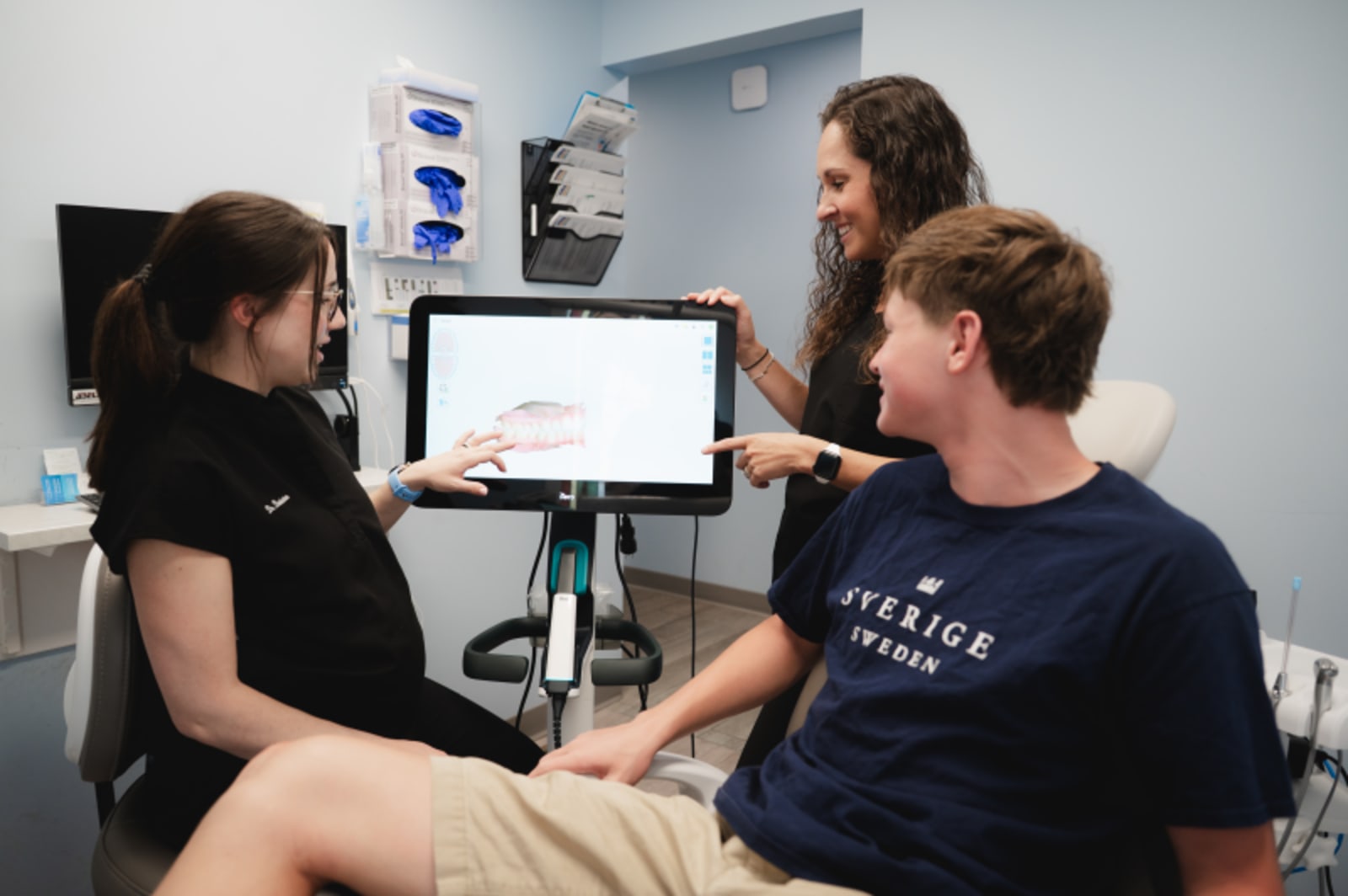
Your hygienist will gently measure the small space between each tooth and the surrounding gum tissue. Think of it like checking the depth of a crevice. Healthy gums have shallow spaces, while deeper ones signal that bacteria have moved in below the gumline where brushing simply can't reach. We'll also review your X-rays to check whether the bone that anchors your teeth has been affected.
2. A Clear Explanation of What We Found
We'll walk you through the results in plain language: which teeth are involved, what your pocket depth numbers mean, and what we recommend doing about it. No confusing jargon, no guessing. You'll see the actual measurements and leave knowing exactly where things stand.
3. Periodontal Therapy (the Deep Cleaning)
This is the main treatment. We carefully remove the hardened buildup and bacteria that have collected below the gumline, then smooth out the root surfaces so your gum tissue can reattach and heal properly. The area is fully numbed with local anesthetic, so you won't feel the cleaning itself. Most patients are surprised by how manageable it is.
4. A Follow-Up Check
Three months after the periodontal therapy, we take another look. Gums that were swollen and bleeding should be noticeably calmer and firmer, and those pocket depths should be shallower. This visit tells us whether the infection has cleared up or whether any spots need a little more attention.
5. Ongoing Maintenance to Keep Things Stable
Once your gums are healthy again, the goal is keeping them that way. That usually means coming in for periodontal maintenance visits every three to four months instead of every six, a small adjustment that makes a big difference in preventing things from creeping back.
What Gets Better Once Your Gums Are Healthy Again
- You keep your teeth. Gum disease quietly eats away at the bone that holds your teeth in place. Treating it early is the most reliable way to make sure you're not dealing with tooth loss down the road.
- The bleeding goes away. If your gums bleed when you brush, that's your body signaling inflammation, not just sensitive gums. Once the bacteria below the gumline are cleared out, that irritation calms down and the bleeding typically stops.
- Persistent bad breath finally gets better. If brushing and mouthwash aren't solving it, the source is often bacteria living deep in gum pockets, not anything you ate. Treating those pockets addresses the actual cause.
- Your existing dental work lasts longer. Crowns, implants, and bridges are only as secure as the gum and bone supporting them. Healthy gums protect the investment you've already made.
- Your smile looks better. Healthy gums are firm and pink and frame your teeth the way they're supposed to.
- Your hygiene visits become easier. Once your gum health is stable, your maintenance visits are faster and more comfortable, with no more dreading the appointment.
Signs Your Gums Are Asking for Attention
You don't need a diagnosis to wonder if something's off. Here are the signs we hear about most often:
- Your gums bleed when you brush or floss, even just a little
- Your gums seem to be pulling away from your teeth, making them look longer than before
- Your breath doesn't freshen up no matter how much you brush or rinse
- A tooth feels a little loose, or your bite just feels different than it used to
- A hygienist mentioned deep pockets or brought up a deep cleaning at your last visit
- It's been a few years since you've seen a dentist
One thing that catches people off guard: gum disease usually doesn't hurt, at least not at first. It can quietly get worse while everything feels fine. If things have progressed, we'll be straightforward with you. More advanced cases can involve additional steps like gum surgery, bone grafting, or tooth replacement if a tooth can't be saved.
What to Do Before, During, and After Your Deep Cleaning
Before Your Appointment
Have a meal before you come in since the numbing lingers for a couple of hours and eating afterward is awkward. If dental visits make you anxious, mention it when you call and we'll plan around it.
The First Few Days After
Stick to soft foods and avoid anything too hot or cold that first day. Warm salt water rinses help settle the tissue down. Keep brushing and flossing gently, including along the gumline. Skipping it lets bacteria creep back in. A little soreness is normal and most people feel back to normal within a day or two.
Keeping It Stable Long Term
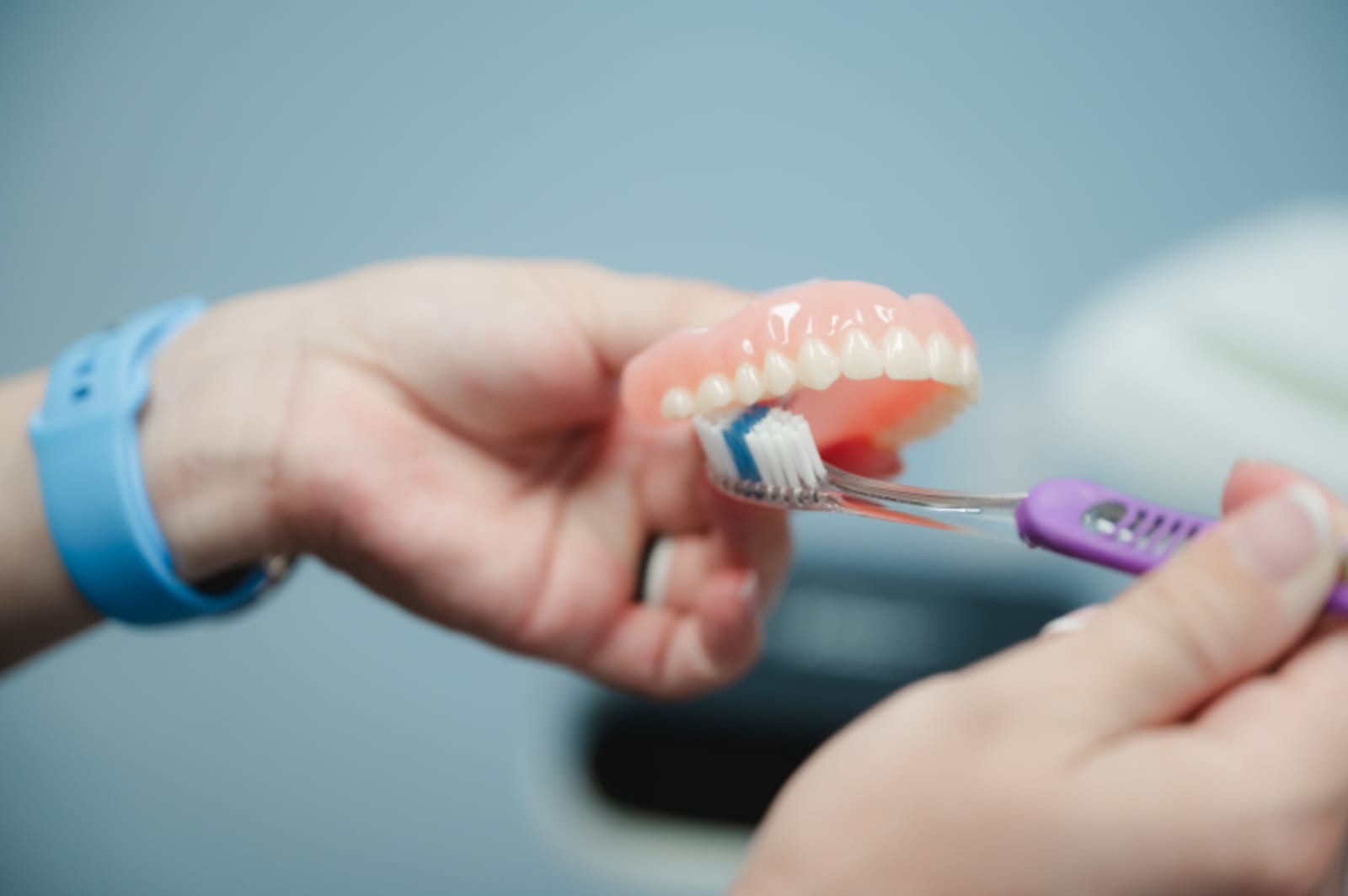
Keeping your gums healthy after treatment is straightforward: brush twice a day, clean between your teeth daily, and make it to your maintenance visits. We'll point out the spots you tend to miss, because knowing yours makes a real difference. If you smoke, reducing or quitting will do more for your gum health than almost anything we can do in the office.
What Patients Usually Ask About Cost and Coverage
Cost depends on how much of your mouth is affected and how far things have progressed. We always go over the numbers after your evaluation, before anything is scheduled, so there are no surprises.
Because gum disease is an active infection, insurance often covers periodontal treatment better than cosmetic procedures. Coverage still varies by plan, so our front desk will look into your specific benefits and walk you through what's covered. If there's a gap or you don't have insurance, ask about payment arrangements when you come in.
Why Branford Families Have Been Coming to Us for Over 35 Years

Dr. Maria Hacker runs this practice, and her family has been part of this community for decades. That shapes everything about how it feels to be a patient here.
- You get called by name and never feel rushed
- Our hygiene team keeps track of your history so every visit builds on the last
- Dr. Fantozzi and Dr. Hernandez are part of the team too, so whoever you see already knows your chart
- Want to get to know us before you come in? Meet the team on our website, with photos and bios for everyone you might see
For gum care specifically, that continuity matters. Our hygienists track your pocket depths at every visit, and because everything stays in one office, your care never gets lost in a referral.
- Advanced imaging lets us see exactly what's happening below the gumline before making any decisions
- Your treatment plan is based on what's actually in your mouth, not a general protocol
- Whatever comes next for your gum health stays right here with us
Frequently Asked Questions About Periodontal Treatment
Does a Deep Cleaning Hurt?
No. We numb the area first, so you feel pressure and vibration but not pain. Mild soreness or cold sensitivity for a day or two afterward is normal and clears up with an over-the-counter pain reliever.
What Is the Difference Between a Deep Cleaning and a Regular Cleaning?
A regular cleaning maintains a healthy mouth by cleaning above and at the gumline. A deep cleaning, called periodontal therapy, goes below the gumline to remove bacteria and hardened buildup from the roots of your teeth. Because it reaches deeper, we numb the area first. You can read more about routine visits on our common dental procedures page.
Can Gum Disease Be Reversed?
In its earliest stage, gingivitis, yes. A thorough gingival therapy procedure and better home care can fully reverse it. Once the infection has affected the supporting bone, that bone will not regenerate on its own, but treatment stops further damage and keeps your teeth stable. Early detection makes the biggest difference.
Why Do I Need Cleanings Every Three or Four Months Now?
Deeper gum pockets allow harmful bacteria to rebuild faster than in a healthy mouth. More frequent cleanings keep that bacteria from causing further damage. Here's what to expect when you visit our office.
Is Gum Disease Connected to the Rest of My Health?
Yes, and more than most people realize. Gum disease is an active infection, and the bacteria involved can travel through your bloodstream and attach to cholesterol deposits in your arteries, raising your risk of a cardiac event or stroke. Research also links it to a higher risk of Alzheimer's disease. On top of that, the relationship with diabetes goes both ways: poor gum health makes blood sugar harder to control, and high blood sugar makes gum disease harder to treat. That is why we ask about your overall health at every visit, not just your teeth.
What If I Have Avoided the Dentist for Years?
Come in anyway. We are not here to judge. We will assess where things stand, be straightforward about what we find, and build a plan that works for you.
Let's Take a Look at Your Gums
If you've been wondering whether your gums are okay, one visit is all it takes to get a real answer. We'll measure your gum pockets, the small spaces between your teeth and gums that tell us a lot about what's going on below the surface, and walk you through exactly what those numbers mean for your smile. The earlier we catch anything, the more straightforward the path forward tends to be.
Give us a call at (203) 488-7444 to set something up. We're open Monday through Thursday from 7:00 a.m. to 7:00 p.m. and Friday until 1:00 p.m., with early mornings and evenings available, so it's usually easy to find a time that works. We'll treat you like family from the moment you walk in. Meet the team who'll be taking care of you.